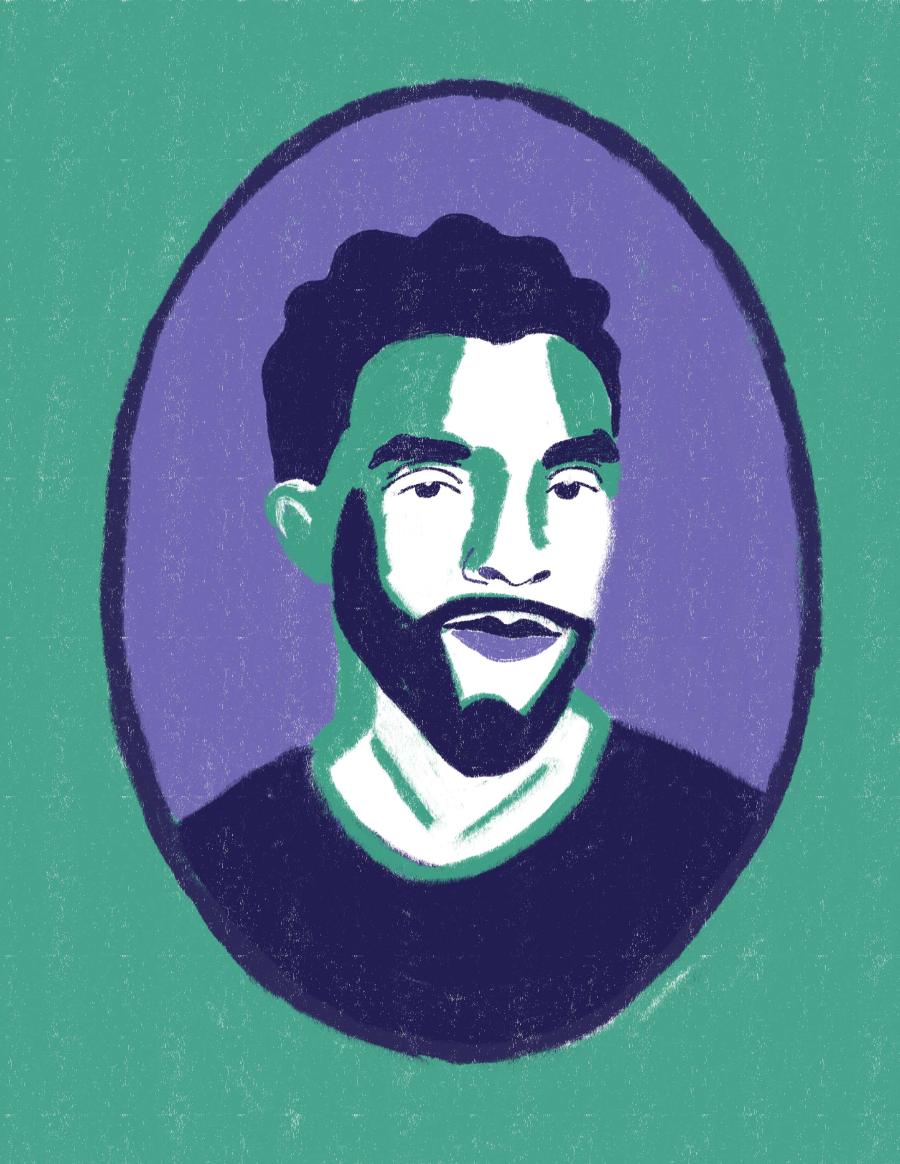
Chadwick Boseman was more than his cancer by Meghan Nelligan
It has been almost three months since actor Chadwick Boseman, 43, died from colon cancer. His death came as a collective shock as no one knew he was terminally ill. After his passing was announced via a statement to his social media, the public learned Boseman filmed several movies during his treatment of chemotherapy and surgery. Many began to praise Boseman for his resilience, work ethic, and ability to perform physically demanding roles. Articles and tweets alike used Boseman as an example of overcoming adversity; of accomplishing goals despite disability. This thinking is not only toxic to those with disabilities, but especially to cancer patients who cannot achieve what Boseman did.
Using Boseman as a standard for all with chronic illnesses is detrimental to disabled people’s well-being and perpetuates ableism. The truth is that cancer, like any other disease, affects each person differently. As poet and community organizer, Walela Nehanda wrote: “Everyone copes, navigates, and experiences cancer differently. We cannot be expected to be Chadwick Bosemans.” What Boseman could do with cancer will not be what someone else can. The content produced around Boseman’s cancer falls under “inspiration porn”– a term coined by late disability activist Stella Young. This term is defined as: “the portrayal of people with disabilities as inspirational solely or in part on the basis of their disability.” By reducing Boseman to his cancer diagnosis, we erase all the complexities of his identity. Boseman was not his disability, and his work was never in spite of his cancer.
Seeing the ableist response to Boseman’s death, I cannot help but wonder if part of why he kept his cancer private was due to fear. Fear of societal judgment, discrimination, pity, or insensitivity. Boseman was a Black, disabled man in a world that often overlooks Black and disabled people. By revealing his diagnosis, Boseman was more likely to lose out on roles and experience workplace discrimination. With a part like T’Challa, whose strength correlated to his physicality, how could Boseman not feel pressure to appear strong and healthy? If the movie executives, producers, or directors knew of his illness, would they have recast due to the stigma and misconception around cancer? Would he be treated differently than his co-workers and face sympathy or insensitivity?
Boseman held incredible roles and did so much with his cancer, but he was more than this disease. He was an artist, advocate, friend, son, and husband. We need to stop romanticizing Boseman’s cancer battle and setting him as a standard for everyone to meet. We can recognize Boseman’s life accomplishments without falling on ableist rhetoric. Boseman will forever be a pillar for the Black community. Black Panther was ground-breaking and gave Black children the chance to see someone who looks like them be the hero. While I will never know the feeling of seeing Black Panther as a Black person, many have connected deeply to the film because of its representation. I imagine for Boseman; this gift was his honor to give.
Artwork by Paria Peyravi
 Multi-Hue Magazine